

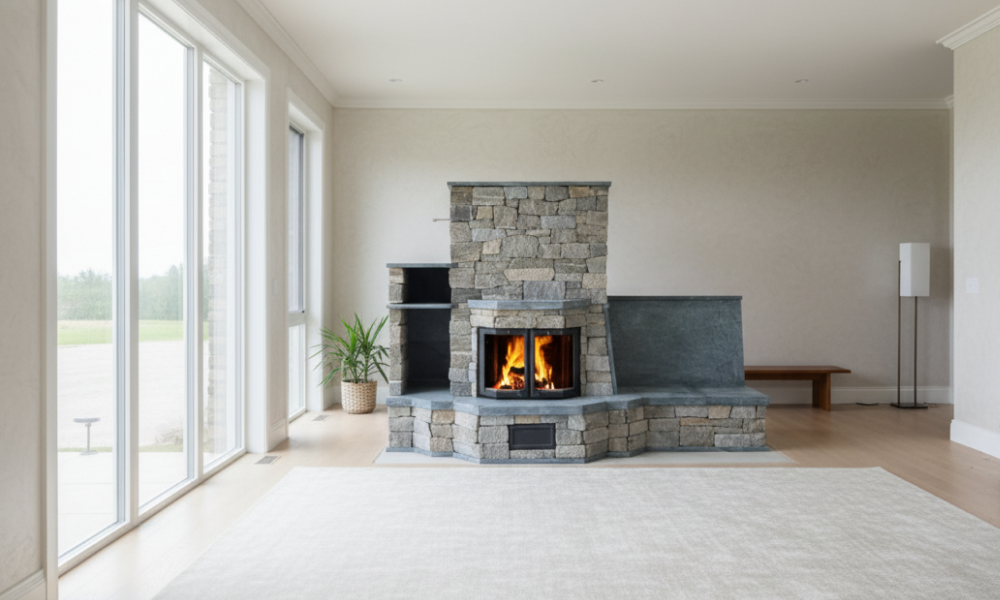
One of the most appealing aspects of owning a masonry heater is the freedom from constant maintenance that plagues conventional heating systems. While furnaces demand seasonal tune-ups and wood stoves require frequent attention, a well-built masonry heater operates efficiently for decades with remarkably minimal care. Understanding the simple maintenance requirements ensures your heating investment continues delivering reliable warmth and comfort for generations to come.
A masonry heater is a thermal mass heating system requiring virtually no mechanical maintenance, with annual chimney cleaning as the primary service need.
The Foundation of Low Maintenance Design
Understanding how masonry heaters work reveals why maintenance needs are so minimal compared to other heating systems. These elegant heating systems contain no motors, fans, thermostats, or electronic controls that can malfunction or require replacement. The design is beautifully simple: a scientifically engineered firebox where wood burns at high temperatures, internal channels that capture heat, and substantial thermal mass that stores and radiates warmth for hours.
Key Low-Maintenance Design Elements:

- No moving parts requiring lubrication or adjustment
- No filters demanding monthly replacement
- No electronic controls or thermostats to malfunction
- No blower motors or circulation fans to repair
- No complex mechanical systems needing calibration
The absence of these common failure points means there’s nothing to lubricate, no filters to change, no motors to replace, and no complex mechanical systems requiring professional calibration. This fundamental design simplicity translates directly into reduced maintenance costs and increased long-term reliability. Where conventional heating systems nickel and dime you with ongoing repairs and service calls, a properly maintained masonry heater operates year after year with minimal intervention.
Daily Operation Practices That Minimize Maintenance
The secret to extending time between maintenance intervals lies primarily in how you use your masonry heater. Proper daily operation prevents most issues before they develop, making maintenance less about fixing problems and more about preventive care.
Using only properly seasoned firewood with moisture content below 20% is the single most important maintenance practice. Wet or green wood produces incomplete combustion that generates excessive creosote deposits throughout your system. These deposits accumulate in internal channels and the chimney, reducing efficiency and creating safety hazards that demand more frequent professional cleaning. Investing in quality seasoned hardwood or allowing adequate drying time for wood you harvest yourself pays significant dividends in reduced maintenance needs.
Best Burning Practices for Minimal Maintenance:

- Use only seasoned hardwood with moisture content below 20%
- Build hot, fast fires that burn completely in 2-4 hours
- Avoid smoldering or overnight fires that create creosote
- Load appropriate wood quantities per Greenstone guidelines
- Allow fires to burn down completely to ash before reloading
Building hot, fast fires that achieve complete combustion maximizes efficiency while minimizing deposits. The ideal fire burns intensely for two to four hours, completely consuming the wood and gases. This clean burning produces minimal creosote compared to the smoldering fires common with traditional wood stoves. Avoid the temptation to damper down your fire or load excessive amounts of wood. Correctly sizing your masonry heater for your space means you won’t need these practices that increase maintenance requirements.
Properly seasoned firewood reduces creosote formation by up to 80%, dramatically extending the time between required chimney cleanings.
Loading your heater according to manufacturer recommendations prevents over-firing that can cause thermal stress and potential damage to components. Allow fires to burn completely down to ash before reloading, ensuring maximum heat transfer into the thermal mass rather than sending excess heat up the chimney. These simple daily practices form the foundation of a low-maintenance masonry heating system.
Seasonal Maintenance Requirements
Pre-Season Preparation
Before beginning each heating season, schedule an annual chimney inspection and cleaning with a certified professional. Even with clean-burning fires, some minimal creosote accumulation occurs over months of use. A thorough cleaning removes these deposits before they can accumulate to problematic levels. The inspection also identifies any developing issues with your chimney structure, cap, or flue that might compromise safety or performance during the demanding winter months ahead.
This annual service typically costs between 150 and 250 dollars, a fraction of what you’d spend maintaining a forced-air furnace or heat pump. The chimney professional should examine the entire system from firebox to cap, checking for cracks, deterioration, or damage. They’ll verify proper draft operation and ensure your chimney cap provides adequate weather protection. This comprehensive assessment provides peace of mind that your heating system is ready for another season of reliable operation.
Before the first fire of the season, inspect your firebox carefully. Look for any cracks in the firebox liner that might have developed during the previous year. Small hairline cracks in soapstone are normal and don’t compromise function, but larger gaps may indicate the liner needs attention. Check that firebox doors open and close smoothly with proper alignment. Clean viewing glass thoroughly so you can monitor combustion quality throughout the season.
Remove all accumulated ash from the previous season, providing a clean starting point. While a small ash bed can improve combustion, excessive ash buildup restricts airflow and reduces efficiency. Verify that all door gaskets seal properly by performing the dollar bill test: close the door on a dollar bill and try to pull it out. If it slides freely, the gasket has compressed and needs replacement to maintain proper combustion control.
During the Heating Season
Throughout the winter months while your masonry heater operates regularly, maintenance needs remain minimal. Weekly ash removal represents the primary task, though experienced users often maintain a small ash bed that actually improves combustion. Remove ash when it accumulates to within two to three inches of the grate, preventing buildup that can restrict airflow.
Cleaning glass viewing doors weekly maintains visibility and allows you to monitor fire quality. Many users successfully employ a simple paste made from ash and water applied with newspaper, though specialized wood stove glass cleaners also work well. Conduct brief visual inspections during regular use, noting any changes in your heater’s appearance or operation.
Monthly checks during active heating season help catch developing issues early. Use a flashlight to examine visible interior surfaces for any unusual deposits or changes. Inspect the exterior for new cracks or signs of settling. Examine door gaskets for compression or damage. Check the exterior of your chimney for any signs of moisture intrusion or deterioration.
Monthly inspection takes less than 15 minutes but can identify small issues before they become expensive repairs.
Post-Season Care
After the heating season concludes, schedule a final chimney cleaning to remove any remaining deposits. This end-of-season service ensures your system is clean and ready for the following year. Spring and summer provide ideal opportunities to address any minor repairs or concerns discovered during the heating season. With the heater not in use, you can handle maintenance tasks without disrupting your home’s comfort.
Conduct a comprehensive inspection and document the condition of all components. This documentation helps you track changes over time and anticipate future maintenance needs. Address small cracks or minor issues while your heater sits idle, preventing them from developing into larger problems. Check door operation and lubricate hinges if needed. If you don’t already have one, consider installing a chimney cap to prevent rain, animals, and debris from entering your system during the off-season.
Cleaning Techniques for Longevity
Proper cleaning techniques preserve both the appearance and functionality of your masonry heater without causing damage. For ash removal, always use a metal ash bucket and scoop, never attempting to vacuum hot ashes which can create fire hazards. Allow ashes to cool completely for at least 24 hours before disposal.
Glass doors respond well to specialized wood stove glass cleaners, though the traditional ash paste method works remarkably well. Simply mix fine ash with water to create a paste, apply with crumpled newspaper, and wipe clean. This time-tested approach costs nothing and produces excellent results. Clean soapstone surfaces with a damp cloth, avoiding harsh chemical cleaners that can damage the stone or alter its appearance. Different veneer exteriors require material-specific care, whether stone, brick, or stucco.
Avoid pressure washing your masonry heater as the high-pressure water can damage mortar joints and stone surfaces. Never apply water to hot surfaces, which can cause thermal shock and cracking. Abrasive cleaners scratch soapstone and damage finishes, while chemical cleaners may discolor natural stone or react unpredictably with materials. Natural soapstone develops a beautiful patina over time that enhances its appearance and requires no special treatments or sealers.
Recognizing When Professional Help Is Needed
While masonry heaters require minimal maintenance, certain situations warrant professional attention. Structural cracks wider than hairline fractures in masonry or soapstone deserve expert assessment. Poor draft causing smoke to back up into your room during operation indicates a problem requiring professional diagnosis. Unusual sounds like popping, cracking, or other new noises may signal developing issues.
If your heater isn’t maintaining heat as long as usual or you notice excessive creosote buildup despite burning proper wood, consult a professional. Door seal failure preventing an airtight closure compromises both efficiency and safety. Most masonry heater components last 20 to 50 years with proper care, with only the firebox liner typically requiring replacement every 15 to 20 years. Early detection and professional assessment of issues prevents minor problems from becoming major repairs.
Long-Term Value of Proper Maintenance
The minimal maintenance requirements of masonry heaters represent a significant financial advantage over their operational lifetime. Where conventional heating systems demand hundreds or thousands of dollars annually in service, repairs, and component replacement, masonry heaters require primarily an annual chimney cleaning. This dramatic reduction in maintenance costs contributes substantially to the overall value proposition of masonry heating.
Annual maintenance costs for different heating systems reveal the masonry heater advantage clearly. Masonry heaters typically cost 150 to 300 dollars annually for chimney cleaning and minor supplies. Forced-air furnaces require 300 to 600 dollars for tune-ups, filters, and repairs. Traditional wood stoves need 200 to 400 dollars for chimney cleaning, gasket replacement, and maintenance. Heat pumps can demand 400 to 800 dollars for professional service, coil cleaning, and refrigerant. Over a 20-year period, these differences accumulate to tens of thousands of dollars in savings.
Conclusion: Simplicity Equals Reliability
The exceptional longevity and minimal maintenance requirements of masonry heaters stem from their elegant, time-tested design. By eliminating the complex mechanical systems that plague modern heating equipment, masonry heaters achieve remarkable reliability while delivering superior comfort and efficiency. Understanding how masonry heaters work and following these straightforward maintenance practices ensures your heating system operates at peak performance for decades.
The investment in proper seasonal maintenance pays dividends far beyond the modest annual costs. Clean, efficient operation maximizes fuel economy, reduces environmental impact, and maintains the comfort that makes masonry heating so appealing. The peace of mind that comes from owning a heating system requiring minimal attention allows you to focus on enjoying the warmth rather than worrying about repairs and service calls.
Proper maintenance transforms your masonry heater from a significant investment into a lifetime heating solution that provides reliable warmth with minimal ongoing costs.
Ready to learn more about maintaining your masonry heater for optimal performance, or interested in discovering how a professionally installed system could provide decades of low-maintenance heating comfort? Contact our team for expert guidance on maintenance best practices and to discuss how a masonry heater could transform your home’s heating experience.